Yesterday was the five hundred year anniversary of a momentous event in world history. On October 31, 1517, a priest named Martin Luther walked up to the doors of the All Saints Church in Wittenberg, Germany and posted a document on its walls. The Ninety Five Theses or The Disputation of the Power of Indulgences is widely credited to be the first shot of Reformation across the bow of the Catholic Church, leading eventually to a schism in the Church and the birth of the Protestant religion.
At Chats on the Charles, where we follow the intersection of technology, politics and society, we commemorate this seminal event for an entirely different reason. It was one of the clearest demonstrations of the power of communication technology to alter our politics and our society.
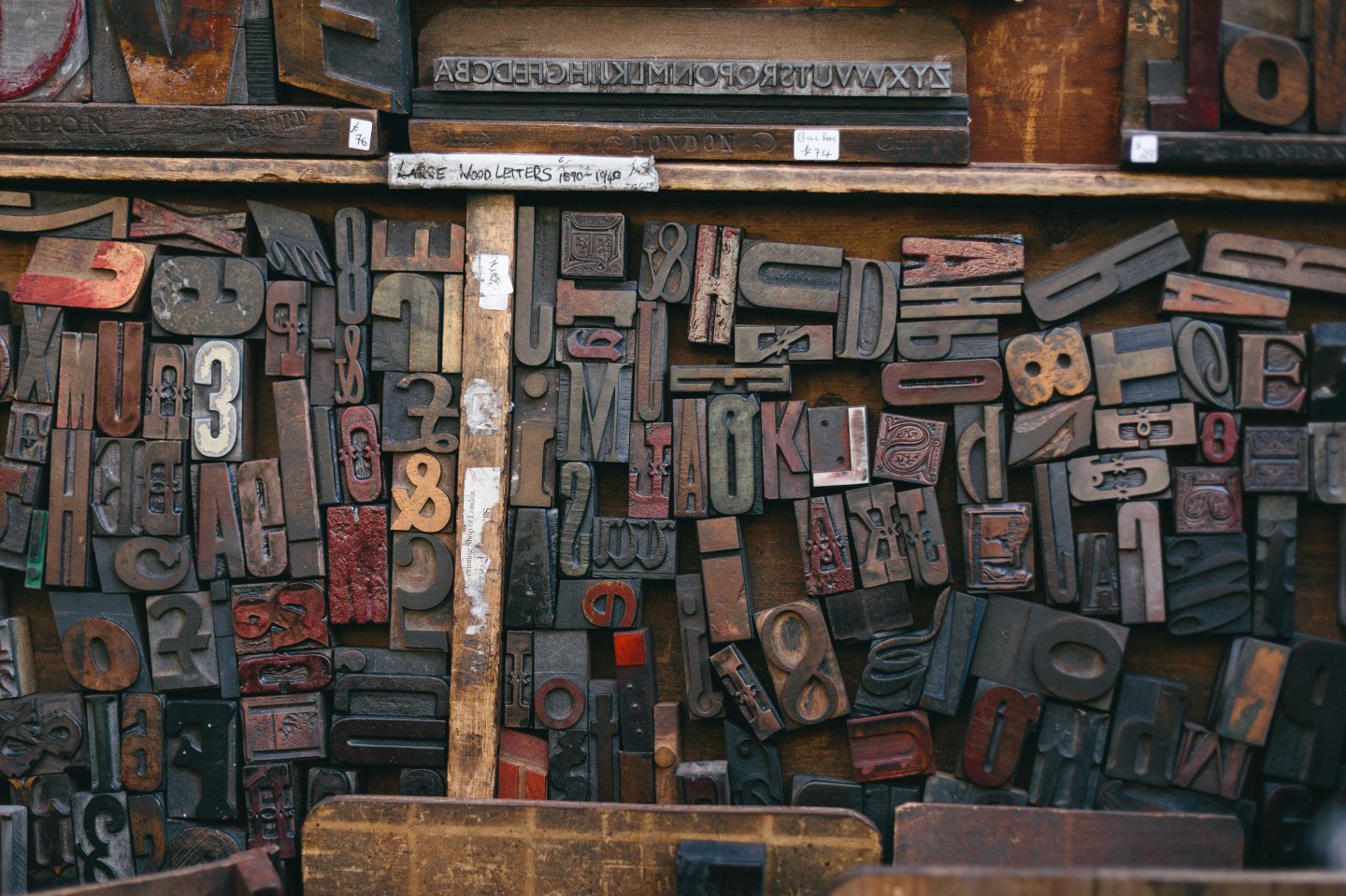
Martin Luther succeeded against the dominant Catholic clergy because he exploited a relatively new technology of the time, the printing press. The ability to distribute tens of thousands of printed copies of his treatise all over Northern Europe gave his scathing critique the broad exposure and therefore the societal backing that ushered in a new Church. Prior to the invention of the printing press all knowledge was controlled and therefore sanctified by the clergy. Important ideas were either communicated verbally or through exquisitely calligraphed books. Both these “technologies” limited the number of people that could access the ideas and imposed a tremendous cost on anybody who wanted to go outside the Church networks to present new thoughts.
In the last decade we witnessed two similarly groundbreaking political upheavals driven by new forms of communication technology. The flame lit by the Tunisian fruit seller Mohamed Bouazizi that became the inferno of the Arab Spring was primarily fanned by Al Jazeera satellite television. With small satellite dishes on their roofs anyone in the Arab world could dispense with the official interlocutors of information.
And finally, last year, closer to home, we witnessed our first social media election. Donald Trump would not be President without his complete mastery of Twitter, and his ability to connect directly with his supporters, bypassing the traditional media channels. In addition, one can only speculate what the results of the election would be without the diabolical manipulation of our Facebook or Google feeds by the Russian security services. Facebook admitted that over 120 million people were exposed to Russian propaganda.
New and revolutionary technologies invariably end up shaping our politics and our society in unexpected ways. Today seven billion people around the world will pick up their smartphones. They will be able to instantly communicate through words, images, videos and augmented realities with everyone across the globe. What changes will be wrought by the potential of so much information and knowledge in so many hands? What will we be commemorating five hundred years from now?
 Chats on the Charles
Mainstream media has been an example of a finger on the scale of political and social molding for decades. Tv. Social networks. Printing press pages. Regardless of media outlet/form, buyer beware!! Viewer beware. Reader beware.
LikeLike
A timely reminder at a propitious time…
GSH
LikeLike
Great moment to remember the bright and dark sides of the seamless flow of information… ranjay
LikeLike