I was a teenager, growing up in India, when I first heard the catchy chords of this Beatles song on my short-wave radio. Four decades ago, as the melodies resonated, I wondered: what would the world look like when I was sixty four?
Despite an overactive imagination, my prognostications failed miserably. In my wildest dreams I never predicted the computer revolution, the fall of the Soviet Union, the globalization of the world, the advent of the smartphone and eventually how all those strands intertwined to bring me to typing my first blog post sitting at a desk in Boston.
Now, when that magical age of sixty four is a little over a decade away, it seems possible, with slightly more clarity, and perhaps with more success, to see some of the momentous changes barreling down upon us in the years ahead. Three technological breakthroughs are on the cusp of revolutionizing our world. The repercussions will be monumental and go far beyond the trillions of dollars of economic value that will be destroyed and created. These technological forces will reorder our politics, redefine our relationships and perhaps reshape the very idea of what it means to be human.
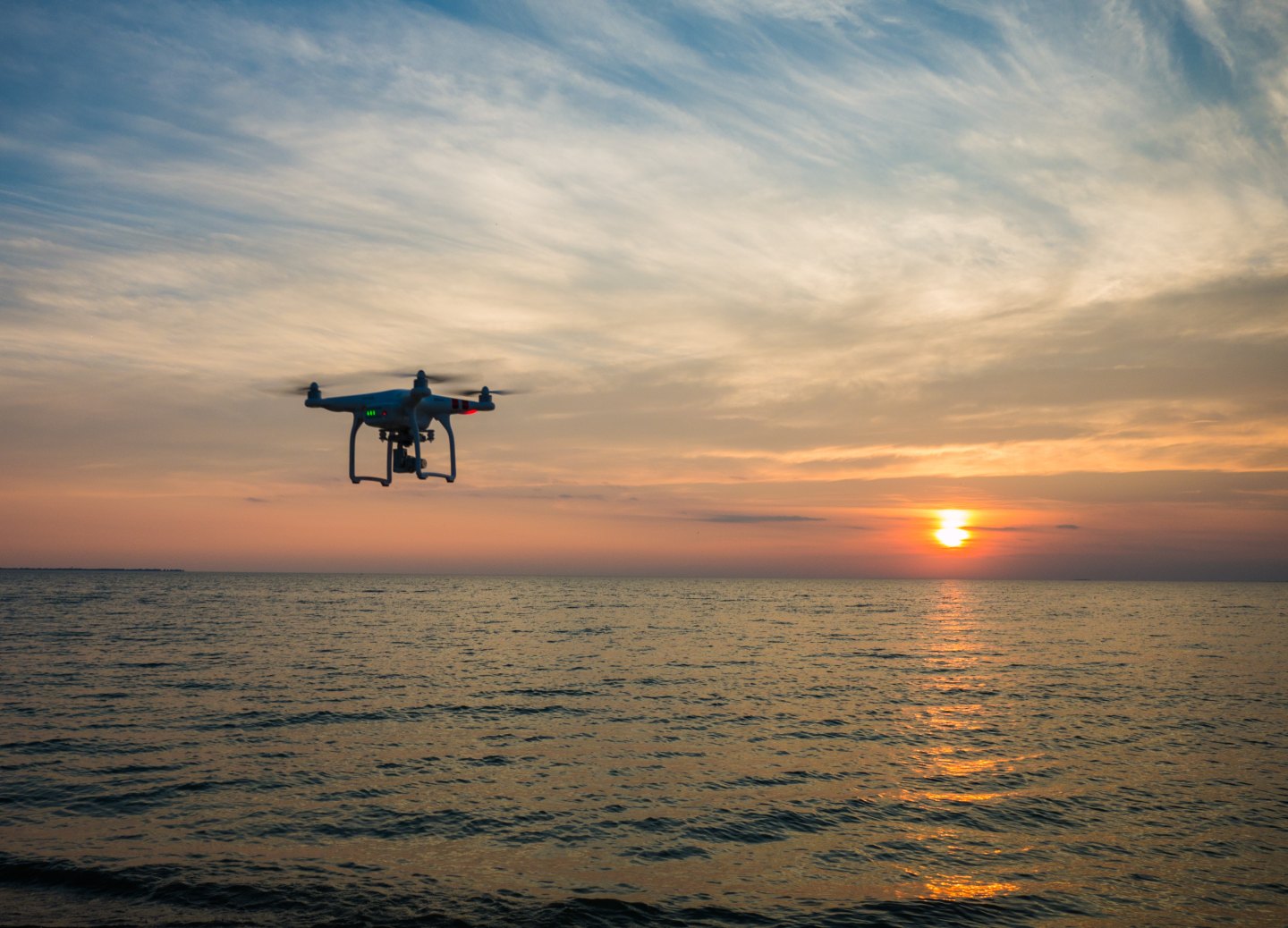
What are these technologies and how will they upend everything as we know it today. Any comprehensive discussion would exceed the polite limits of a blog post. So in keeping with the times, let’s take a drone’s overview of the technologies and get an inkling of what’s in store ahead. The hope is to keep returning to these broad themes in more detail as we watch this drama unfold.
The first sets of technologies are those powering renewable energy generation and storage. Today the cost of solar or wind power generation is very close to being at grid parity for a large proportion of the world’s population. For the first time we can envision cheap, clean and ubiquitous power for everybody. In addition, innovations in energy storage (whether through batteries for mobility applications like transportation or compressed air caverns for large scale uses) will, within the next two decades, result in a peak in the use of and eventually an elimination of fossil fuels. Even the large oil companies are planning for that day.
Since humans started walking the earth, we have spent significant time, effort and cost in the procurement of energy. Imagine the unleashing of human potential when everyone has access to virtually free energy, available on demand. The politics of a world without fossil fuels will be very different. Where do Russia or the monarchies of the Persian Gulf evolve to without the petroleum exports that grease these autocratic regimes? What becomes of radical Islamic extremism without the billions of petrodollars that build fundamentalists mosques around the world perverting the message of Islam? What becomes of global trade flows and global security when most nations in the world are energy independent? Will there be some other natural resource that becomes the next oil in the renewable age? Is it one of the rare minerals that make solar panels and batteries possible?
The second major technology is CRISPR. CRISPR is a short form for CRISPR-CAS9, a gene editing technology with tremendous and scary promise. Without getting into details (frankly I couldn’t if I wanted to), the technology allows us to manipulate the DNA of any organic entity (plant, animal, human) to achieve a pre-determined set of outcomes. In plants it is being used today to develop drought resistant crops, improve crop yields and make previously barren lands fertile. In humans it has the potential of curing incurable diseases, creating organic prosthetics and protecting us from increasingly dangerous bacteria and viruses.
The technology however raises a plethora of very obvious ethical and moral concerns. Manipulating the human and plant genome interferes with some of the primordial forces of our planet. We are accelerating over four billion years of biological progression into an evolutionary nanosecond. Can we anticipate all the consequences? What advantages will we want to genetically confer to our offspring? What does it mean to be human if you are “manufactured” by your parents?
The third major accelerating technological force, machine learning and artificial intelligence, is also redefining what it means to be human. For over fifty years Moore’s Law has driven faster and cheaper computer processors. These chips have become adept at doing more and more complex tasks. Today machine learning and artificial intelligence has crossed over from the realm of science fiction into a widely used technology. An ever increasing set of activities that were until recently the sole realm of humans are now being done by machines. Machines can drive cars, read mammograms, invest money, and even have conversations with us (Ok Google say Hi to Siri and Alexa). Oceans of ink are being spilled over whether machines and AI will one day be more powerful than us, be self-actualized, increase our standards of living or enslave humanity. Whatever the future holds, we are already grappling with a complex set of questions.
As computers become more powerful (two new processor paradigms, in-memory computing and quantum computing bear watching) the vast majority of current jobs will be able to be done better by machines. What new work supplants the jobs of today? How do we manage the transition? Can democratic systems withstand the widespread destruction of jobs without a massive safety net? As we turn more of our world to machines do our historical sources of military supremacy remain relevant. What does military power even mean when an enemy hacker can remotely operate a nuclear reactor? Do humans become more social or retreat into their virtual reality worlds?
Every generation of humans probably thinks they are witnessing mind boggling levels of progress in their lives. While the litany of news these days is all about some glorified past, I am awestruck by what comes next. The changes will be momentous and disruptive but somehow, like we have been doing since we struck out from the savannahs of Africa, we will create a better tomorrow. Or will we?
Embarking on a future where unlimited clean energy drives a human utopia in sync with advanced artificial intelligence, I do worry a bit about, to borrow the imagery from one of Naipaul’s novels, what lies beyond “a bend in the river.” As I type, I find myself talking to the computer and asking, “Will you still need me, will you still feed me, when I am sixty four!”
 Chats on the Charles
Terrifically thought-provoking. Human needs remain human (will you still need me, will you still feed me). Exponential technological change is on a different timeline. The accommodation of the former by the latter is both the most exciting and frightening challenge of our times
LikeLike